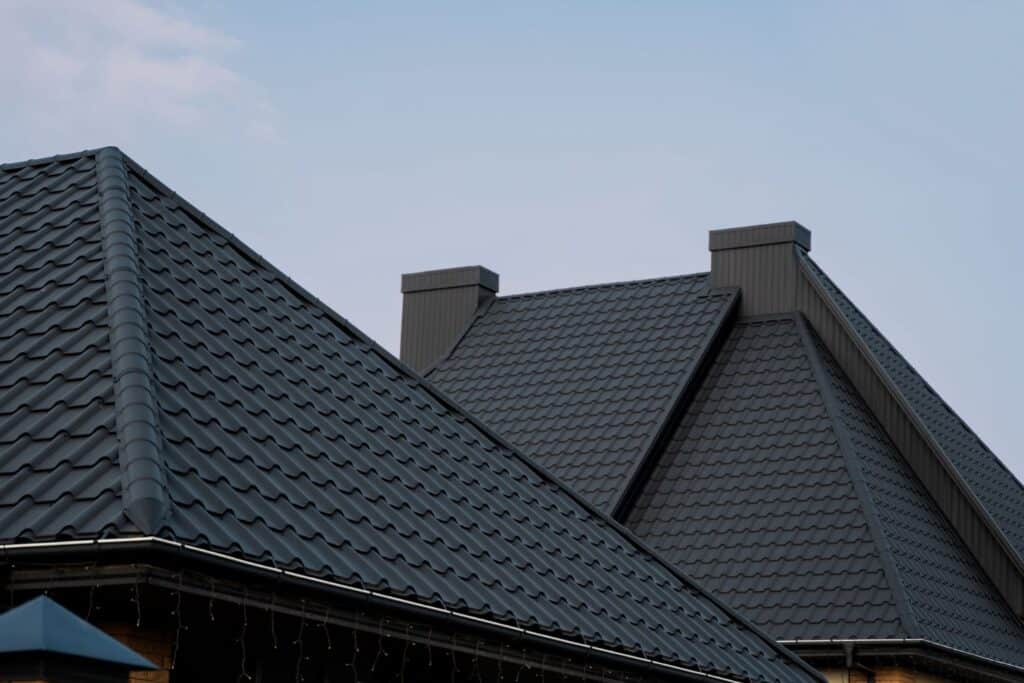
Your roof does more than keep rain out. In states like Alabama, Florida, Louisiana, Mississippi, and Oklahoma, roofing is your home’s first line of safety precaution against hurricanes, severe thunderstorms, and high winds that can turn ordinary debris into destructive projectiles.
Standard roofing meets basic building codes, but basic isn’t always enough when serious weather hits. FORTIFIED standards take protection further with construction standards specifically designed to resist wind, rain, and impact damage.
For homeowners in storm-prone regions, understanding how FORTIFIED roofing improves home safety can influence everything from peace of mind to insurance premiums.
What Is FORTIFIED Roofing?
FORTIFIED is a building standard developed by the Insurance Institute for Business & Home Safety (IBHS). It’s based on decades of research into how homes fail during hurricanes, tornadoes, and severe storms, and what construction methods prevent that failure.
The program offers three designation levels:
| FORTIFIED Level | What It Covers | Protection Focus |
| FORTIFIED Roof | Roof system only | Wind and rain intrusion at the roof |
| FORTIFIED Silver | Roof plus openings | Adds protection for windows, doors, and attached structures |
| FORTIFIED Gold | Entire building envelope | Comprehensive protection including walls and foundations |
Most homeowners start with a FORTIFIED Roof designation, which addresses the area responsible for the majority of storm damage. Once the roof meets FORTIFIED standards, you can pursue Silver and Gold levels for additional protection.
FORTIFIED isn’t a product or brand. It’s a set of verified construction standards that any qualified roofer can implement using approved materials and methods.
Why Your Roof Matters Most in Severe Weather
Research consistently shows that roof failure is where storm damage begins. When wind compromises your roof, everything else follows.
The chain reaction of roof failure:
- High winds lift shingles or damage roof edges
- Water enters through exposed areas
- Interior damage spreads to ceilings, walls, insulation, and belongings
- Structural integrity weakens as moisture accumulates
- Secondary damage from mold and rot develops over the following weeks
A roof that stays intact keeps this chain reaction from starting. That’s why FORTIFIED focuses heavily on roof construction as the foundation of home protection.
In Gulf Coast states, where hurricanes bring sustained winds and wind-driven rain, even a small roof breach can result in tens of thousands of dollars in interior damage. FORTIFIED standards address the specific vulnerabilities that allow these breaches to occur.
How FORTIFIED Roofing Differs From Standard Roofing
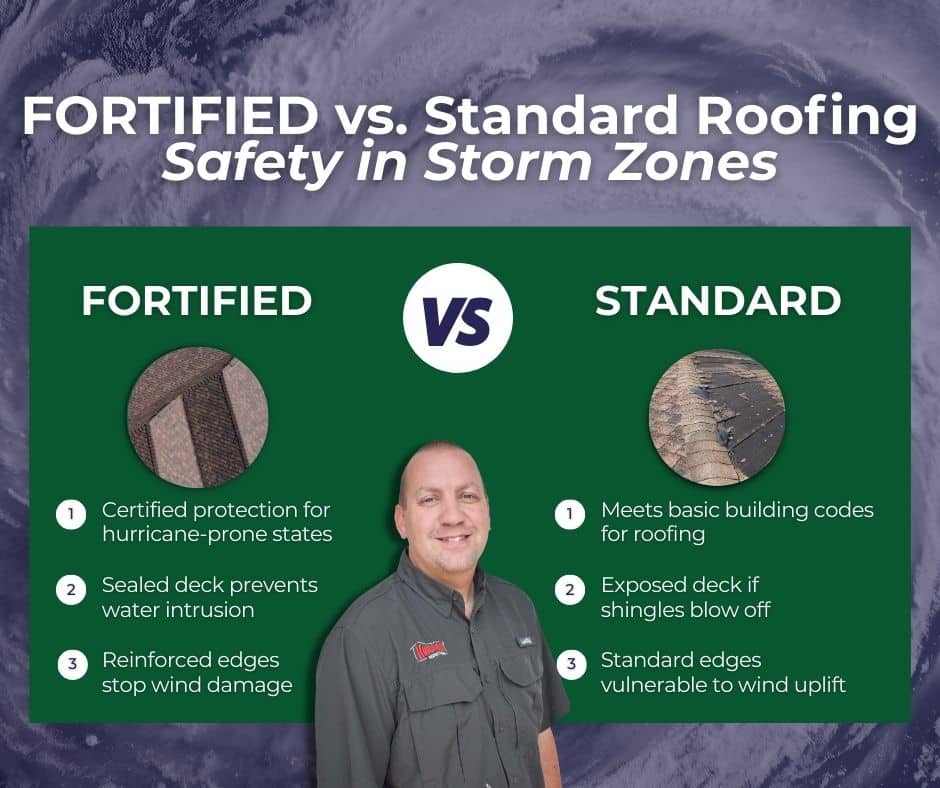
Standard roofing meets minimum building codes, which vary by location and don’t always account for the most severe weather scenarios. FORTIFIED goes beyond code requirements with specific upgrades proven to reduce storm damage.
Key FORTIFIED Roof requirements:
- Sealed roof deck. The plywood or OSB sheathing beneath your shingles gets sealed with code-plus underlayment or taped seams. If shingles blow off, this secondary barrier keeps water out.
- Enhanced nail patterns. FORTIFIED specifies closer nail spacing and specific placement patterns that keep shingles attached during high winds. Standard roofing often uses the minimum nails required by code.
- Reinforced roof edges. Roof edges, including drip edges and rake edges, receive additional reinforcement. Edges are where wind damage typically begins, so strengthening them prevents the peeling effect that compromises entire roof sections.
- Proper flashing and sealing. All roof penetrations, valleys, and transitions get enhanced flashing and sealant to prevent water intrusion at vulnerable points.
- Impact-resistant materials. In hail-prone areas, FORTIFIED may include impact-rated shingles that resist damage from hailstones and debris.
The difference isn’t necessarily visible from the ground. FORTIFIED roofing often looks identical to standard roofing. The upgrades are in the installation methods and materials beneath the surface.
Real-World Performance in Storms
FORTIFIED standards aren’t theoretical. They’re based on field research, laboratory testing, and post-storm damage assessments conducted by IBHS over many years.
After Hurricane Michael hit the Florida Panhandle in 2018 as a Category 5 storm, IBHS researchers documented that FORTIFIED homes in Mexico Beach sustained significantly less damage than neighboring homes built to standard codes. Some FORTIFIED homes remained standing with minimal damage while surrounding structures were destroyed.
Similar patterns emerged after Hurricane Ida in Louisiana (2021) and multiple tornado events across Alabama and Mississippi. Homes built or retrofitted to FORTIFIED standards consistently outperformed code-built homes in the same communities.
This real-world evidence drives the growing adoption of FORTIFIED standards across storm-prone states.
Insurance Benefits of FORTIFIED Certification
Beyond physical protection, FORTIFIED certification often translates to financial benefits.
Potential insurance advantages:
- Premium discounts ranging from 15% to over 50%, depending on your insurer and location
- Improved insurability in high-risk coastal areas where coverage is difficult to obtain
- Reduced out-of-pocket costs after storms due to less damage
- Increased home resale value in markets where buyers recognize FORTIFIED benefits
Alabama, Mississippi, and Louisiana have been particularly active in promoting FORTIFIED adoption, with some insurers offering substantial discounts for certified homes. Florida and Oklahoma are seeing growing recognition as well.
The certification lasts five years, after which a re-evaluation confirms the roof still meets standards. Maintaining certification keeps your insurance benefits active and ensures your protection hasn’t degraded over time.
Getting Your Roof FORTIFIED Certified
FORTIFIED certification requires verification by a trained evaluator, not just a contractor’s word. The process ensures your roof actually meets the standards, not just that someone claims it does.
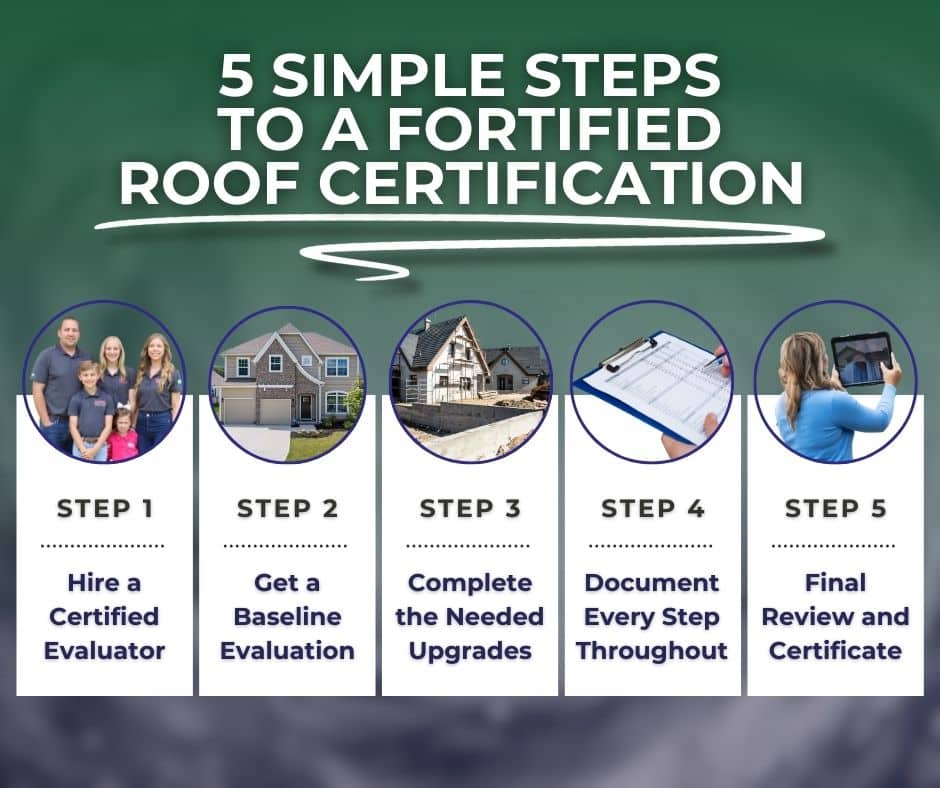
The certification process:
- Initial evaluation. A FORTIFIED evaluator assesses your current roof condition and identifies what upgrades are needed
- Contractor work. A qualified roofer performs the necessary installation or retrofit work according to FORTIFIED specifications
- Verification inspection. The evaluator confirms all work meets FORTIFIED standards through documentation and physical inspection
- Certification issued. IBHS issues your official FORTIFIED designation, which you can share with your insurance company
You can pursue FORTIFIED certification when installing a new roof or by retrofitting an existing roof if it’s in good condition. Retrofitting typically costs less than full replacement and can bring many of the same benefits.
At Knockout Inspections, we provide FORTIFIED evaluations and renewals throughout Alabama, Florida, Louisiana, Mississippi, Oklahoma, and beyond. Our trained evaluators guide you through the process and ensure your roof meets every requirement.
New Construction vs. Retrofit Options
Whether you’re building new or upgrading an existing home, FORTIFIED standards can apply.
New construction offers the easiest path to FORTIFIED certification. Working FORTIFIED requirements into the original build adds minimal cost compared to retrofitting later. If you’re building in a storm-prone area, specifying FORTIFIED Roof (or higher) from the start is a smart investment.
Retrofitting an existing roof is often possible if the current roof is in reasonable condition. Common retrofit upgrades include:
- Adding sealed roof deck protection during a re-roof
- Upgrading to enhanced edge details
- Improving attic ventilation and sealing
- Reinforcing gable ends (for Silver designation)
A FORTIFIED evaluator can assess your existing roof and recommend the most cost-effective path to certification. Sometimes a full replacement makes sense; other times, strategic upgrades achieve certification without starting over.
Other Related Questions
What’s included in a FORTIFIED home evaluation?
Evaluators assess your roof’s current condition, construction methods, materials, and vulnerabilities. For existing homes, this identifies what upgrades are needed for certification. For new construction, it verifies that the build meets FORTIFIED specifications.
How long does FORTIFIED certification last?
Certification is valid for five years. After that, a re-evaluation confirms the roof still meets standards and renews your designation. This ensures ongoing protection and continued insurance benefits.
Does FORTIFIED certification increase home value?
In storm-prone markets, yes. Buyers increasingly recognize the value of FORTIFIED homes, both for safety and insurance savings. Certified homes often sell faster and command higher prices than comparable non-certified properties.
Can I get FORTIFIED certification on an older home?
Yes, if the roof is in good condition or you’re planning a re-roof. Many older homes achieve certification through retrofits that upgrade specific components without full replacement.
When to Call a Professional
Whether you need a pre-purchase home inspection, FORTIFIED roof evaluation, or wind mitigation assessment, a professional inspection gives you clear answers and helps you make confident decisions about your property.
Consider scheduling an inspection if:
- You’re buying a home and want a complete picture of its condition
- You’re replacing your roof and want maximum storm protection
- You’re building new in a hurricane or tornado-prone area
- You’re struggling to find affordable homeowner’s insurance
- You need a FORTIFIED evaluation or certification renewal
- You’re selling and want documentation of your home’s condition
- You’ve experienced storm damage and need a professional assessment
A FORTIFIED evaluation gives you clear answers about your roof’s current protection level and what it would take to achieve certification.
Conclusion
FORTIFIED roofing improves your home’s safety by addressing the specific vulnerabilities that cause roof failure during severe weather. Sealed roof decks, enhanced nail patterns, reinforced edges, and verified installation methods work together to keep your roof intact when storms hit hardest.
Knockout Inspections provides FORTIFIED evaluations and certifications throughout the Gulf Coast and beyond. Our evaluators help you understand your options and guide you through every step of the certification process.