Home Buyers
Know what You're buying before you sign
Information for Home Buyers and Home Inspections
Buying a home is one of the most significant financial decisions you’ll ever make. A professional home inspection before closing gives you the real picture of the property’s condition — identifying hidden structural, electrical, or plumbing issues before they become your problem. Whether you’re a first-time homebuyer navigating the process for the very first time or an experienced buyer making your next move, Knockout Inspections is in your corner.

WHAT EVERY HOME BUYER SHOULD KNOW
For first-time homebuyers especially, the homebuying process can feel overwhelming. There are mortgage loans to secure, closing costs to plan for, real estate agents to work with, loan estimates to compare, and a hundred decisions to make — often under time pressure. Understanding each step before you’re in the middle of it is one of the most valuable things you can do.
Learn from this overview of what the home purchase process actually looks like.
Before you start shopping for a house, take an honest look at your financial health. Review your credit score, calculate your debt-to-income (DTI) ratio, and get a realistic sense of what you can afford. A common rule of thumb: housing costs shouldn’t exceed 28% of your gross monthly income, and total debt shouldn’t exceed 36%. Your monthly payment calculation should include not just your mortgage, but also property taxes, homeowners insurance, utilities, and any homeowners association fees.
Beyond your down payment and closing costs, budget for moving expenses and — critically — an emergency fund. Homeownership comes with unexpected costs. A leaking roof, a failed water heater, or a plumbing issue can surface in the first months of ownership. Having cash reserves protects your financial health when those moments arrive.
The right mortgage depends on your income, credit score, down payment, and financial goals. When comparing lenders, always compare APR, not just the interest rate. APR reflects the total cost of the loan including fees, giving you a true apples-to-apples comparison.
Your credit score is one of the biggest factors lenders use to determine your mortgage rate. The minimum credit score for most conventional loans is around 620, but borrowers with scores above 740 typically qualify for the best rates. Even small improvements matter — raising your credit score by just 20 points can lower your mortgage rate by approximately 0.25%, which adds up significantly over a 30-year loan.
A pre-approval letter from a lender confirms your borrowing capacity and shows sellers you’re a serious buyer. In competitive housing markets, buyers without pre-approval are often passed over entirely. Pre-approval also gives you a firm budget ceiling.
A larger down payment reduces the total loan amount, lowers your monthly payments, and signals lower risk to lenders — often resulting in a better interest rate. Putting 20% down eliminates Private Mortgage Insurance (PMI) and can meaningfully lower your interest rate over the life of the loan. If 20% isn’t realistic, many government programs and down payment assistance options exist to help first-time homebuyers cover upfront costs. Research what’s available in your area — many local programs are designed specifically to reduce financial barriers and make homeownership more accessible.
Once your purchase offer is accepted, the home inspection is one of the most critical steps before closing. This is your opportunity to have an independent, certified inspector evaluate the property’s condition — and your last clear chance to negotiate repairs, adjust your offer, or walk away before you’re legally committed.
HOME BUYER EDUCATION
Investing time in homeownership education is critical — especially for first-time homebuyers. Understanding the full scope of what purchasing a home involves, from budgeting and lender assessment to the homebuying process itself, puts you in a fundamentally stronger position than buyers who skip this step.
Homebuyer education courses provide step-by-step guidance, help you understand your financing options, prepare you for what lenders look for, and make the closing process far less stressful. More than 100,000 homebuyers have completed recognized pre-purchase homeownership education programs that align with National Industry Standards — and many down payment assistance programs require completion of a course before funds are disbursed.
Even if it isn’t required by your program or lender, the education pays for itself. Buyers who understand the process make better decisions, negotiate more effectively, and are far less likely to be caught off guard by the financial responsibilities of homeownership.
Why a Home Inspection Matters
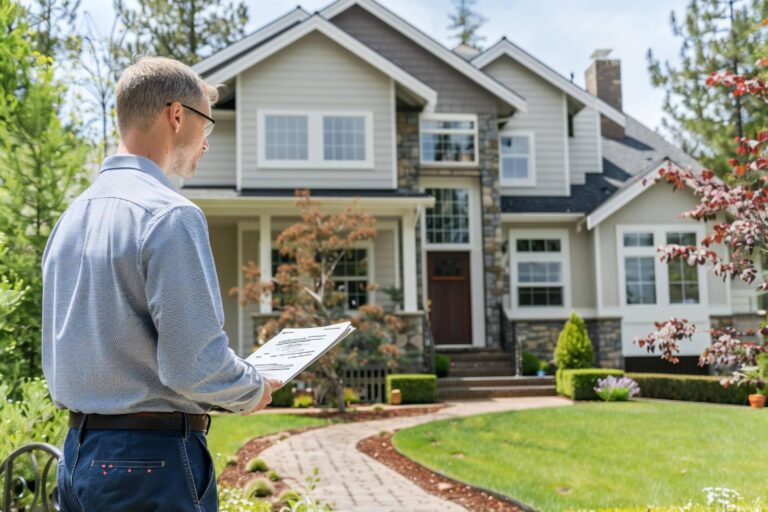
Most buyers see a home only a handful of times before making an offer. Your inspector is the one person in the transaction whose entire job is to look past fresh paint, staging, and curb appeal — and tell you the truth about what you’re actually buying.
A professional home inspection can identify hidden structural, electrical, or plumbing issues that would never appear on a listing page. Finding these issues before you close gives you options. Finding them after is just an expense.
Find What You Can’t See Hidden moisture, failing systems, aging roofs, and structural concerns don’t show up on Zillow. A Knockout inspection surfaces them before they become your problem — and your bill.
Negotiate From a Position of Strength Documented inspection findings give you real leverage. Use them to request repairs, negotiate the purchase price, ask for closing cost credits, or simply understand what deferred maintenance you’re agreeing to take on.
Move Forward With Confidence Whether you proceed, renegotiate, or walk away — you’ll do it with real information. That’s what peace of mind in the homebuying process actually looks like.
InterNACHI-certified Home Inspectors
After months of searching, you have found your dream home. This is a major investment that requires a thorough, expert inspection to protect you from costly problems down the road.
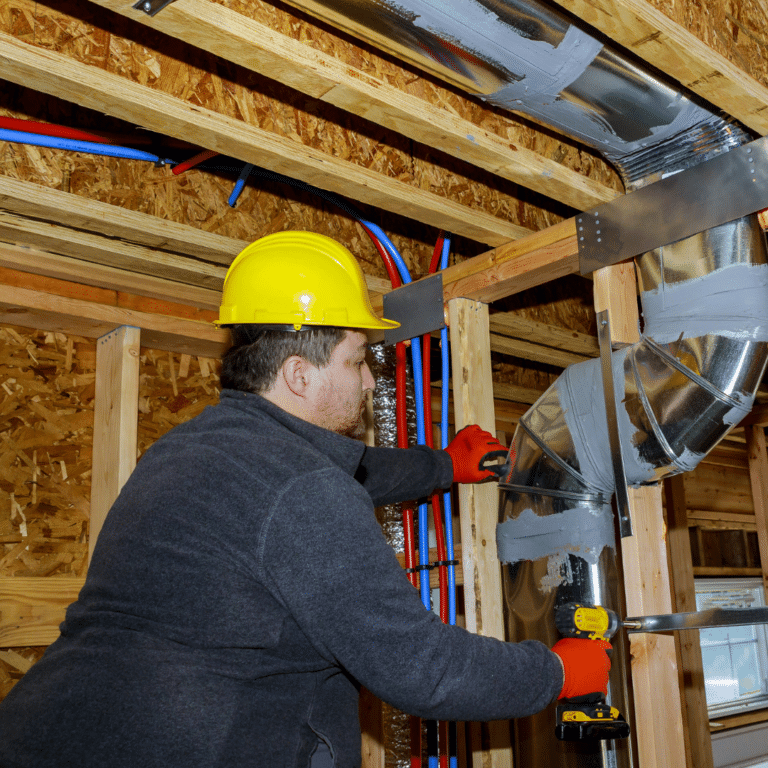
Knockout will conduct a thorough inspection of the home from foundation to roof, inside and out, to identify existing or potential problems that could affect your long-term investment. Our inspectors are dedicated professionals who take pride in their work, ensuring every detail is carefully examined and communicated in a timely manner. Our inspection reports are completed and delivered to clients promptly, reflecting our commitment to thoroughness and professionalism.
We believe in an honest and transparent approach, so you can trust that our findings are always shared with integrity and clarity. Our home inspectors often hold certifications from recognized professional organizations in the industry, ensuring you receive expert guidance and service.
In addition to conducting a visual examination of the home, Knockout inspects the following components:
- Foundation, basement, and structural elements
- Heating system
- Visible insulation
- Centrail air conditioning
- Kitchen elements, appliances, and vents
- Roof and attic
- Ventilation
- Gutters, chimneys, and siding
- Plumbing system and water heater
- Outbuilding and garages
- Windows and doors
- Grading, grounds, and landscape materials
- Ceiling, walls, and floors
- Electrical system
In addition, Knockout tests for proper operating temperatures where appropriate, microwave leakage, and, if requested, excess moisture in lumber, drywall, masonry, and concrete.
We encourage you to accompany the inspector so you will better understand the operation of your home and learn about its condition and systems firsthand. At the conclusion of the inspection, we will provide our clients with an in-depth written report that includes the home’s strengths, areas of concern, maintenance recommendations, and the service life of equipment.
Choosing the Right Home Inspector
Buying a home? It’s probably the most expensive purchase you’ll ever make. This is no time to shop for a cheap inspection. The cost of a home inspection is very small relative to the value of the home being inspected. The additional cost of hiring an InterNACHI-Certified Professional Inspector® is almost insignificant.
When choosing a home inspector, it’s important to consider the industry’s standards for training, certifications, and experience. Inspectors who meet or exceed the industry’s benchmarks provide greater peace of mind and help ensure your investment is protected. Experience in home inspections is a common qualification among inspectors.
The licensing of home inspectors only sets a minimum standard, such as being “up to code,” and anything less would be illegal. InterNACHI, the International Association of Certified Home Inspectors, front-ends its membership requirements.
Pass InterNACHI’s Online Inspector Examination every three years.
Complete the online Code of Ethics and Standards of Practice courses.
Submit a signed Membership Affidavit and adhere strictly to InterNACHI’s Code of Ethics and Standards of Practice.
Provide four mock inspection reports for review before conducting their first paid inspection if they are new to fee-based inspections.
Carry Errors & Omissions (E&O) Insurance, if mandated by their state.
Have access to a real estate agent Hold-Harmless Clause.
Within their first year, successfully complete a series of accredited courses covering safe practices, standards, plumbing, electrical, roofing, HVAC, structural issues, exterior inspections, attic and insulation, deck inspections, moisture intrusion, and fireplace inspections.
Pursue 24 hours of accredited continuing education annually and maintain an up-to-date Continuing Education Log.
Utilize InterNACHI’s resources, including report review and mentoring services, message boards for professional exchange, latest industry news, standardized inspection agreements, and various training and marketing tools provided free by the world’s largest inspector association.
Make sure your next home inspector is InterNACHI member
FAQS
Most inspections take between 2 to 4 hours, depending on the property’s size and condition. Larger homes or those with special features may require more time. Detailed reports with photos are usually provided within 24 hours, with some companies offering faster turnaround times, such as 2-hour report delivery guarantees.
A FORTIFIED Evaluation verifies that a home meets enhanced construction standards designed to withstand severe weather, particularly hurricanes. This voluntary program goes beyond standard building codes and can qualify homeowners for additional insurance savings and grants.
Yes, attending the inspection is recommended to better understand the home’s condition and maintenance needs. Being present allows homeowners to ask questions and receive immediate feedback. However, comprehensive reports with digital photos and detailed findings ensure that clients who cannot attend still receive thorough information.
In addition to standard inspections, many Crestview inspectors offer mold inspections, pool and spa inspections, pre-listing inspections, new construction inspections, and insurance-related inspections like 4-Point and Wind Mitigation. Some also provide infrared thermal imaging and air quality testing.
Home inspections provide an unbiased evaluation of the property’s condition, helping buyers avoid costly surprises and negotiate repairs or price adjustments. Sellers benefit from pre-listing inspections by identifying and addressing issues before putting a home on the market, potentially speeding up the sale.