
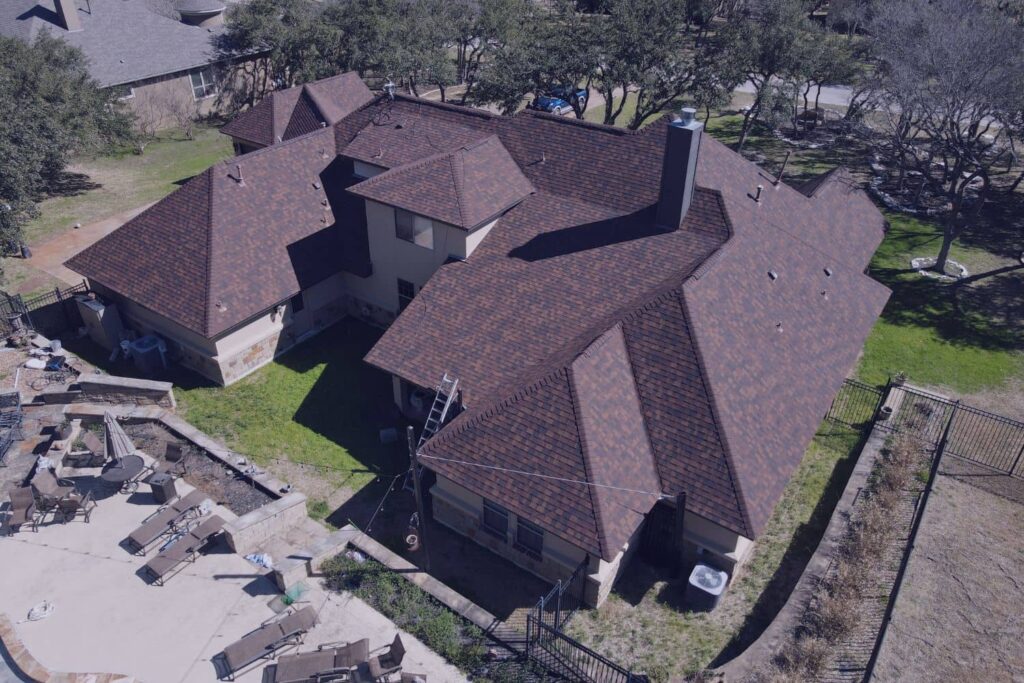
Identifying the early signs that you need a new roof is the best way to prevent sudden leaks and expensive structural damage. While your roof works hard against everything from Gulf Coast hurricanes to Maine snowstorms, most homeowners only notice a problem when water hits the ceiling.
At Knockout Inspections, we help you stay proactive with objective evaluations and FORTIFIED standards. This guide will help you spot critical red flags in your attic and on your shingles so you can protect your property before the next major storm hits.
What to look for in the Attic
The best way to see the true condition of your roof is to look at it from the inside. Your attic tells a story that the outside of the shingles might hide. This is often where a FORTIFIED evaluation begins because it allows us to see the roof deck and how it is attached to your home.
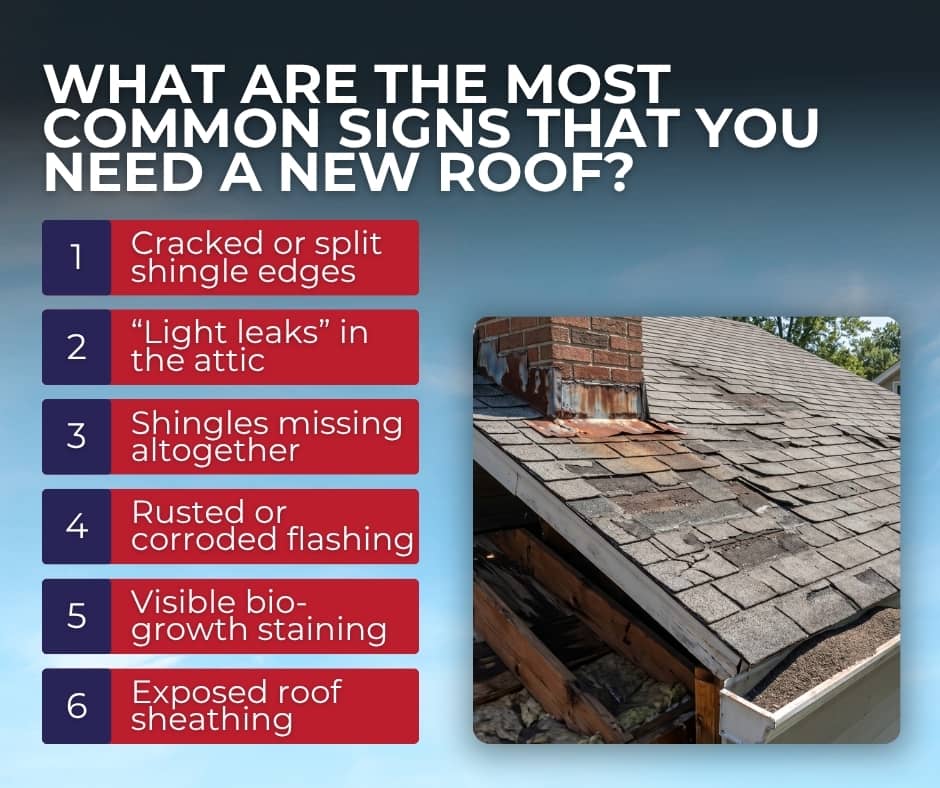
During a bright day, turn off the lights in your attic and look up. If you see small pinpoints of light peeking through the roof deck, it means you have “light leaks.” If light can get through, water and wind can get through too. This is a major sign that your roof deck is no longer sealed properly.
While you are in the attic, look for dark streaks or water stains on the wooden rafters. These are signs of slow leaks that might not have reached your ceiling yet. In humid states like Mississippi and Louisiana, these slow leaks quickly turn into mold and wood rot.
You should also check for a “musty” smell or damp insulation. If your attic feels unusually humid, it may mean your roof ventilation is blocked. This trapped heat “cooks” your shingles from the inside out, causing them to fail years earlier than they should.
Damage to Identify From the Ground
You can often tell your roof is failing just by looking up. You do not need a ladder to see the most common signs of wear. High-quality asphalt shingles are designed to lie flat and overlap perfectly to shed water. When they start to age, they lose this ability.
Look for shingles that are curling at the edges or “cupping” in the middle. This happens when the asphalt binder in the shingle dries out from years of sun exposure. Once a shingle curls, it becomes brittle. High winds from a Gulf Coast storm or a Central Plains thunderstorm can easily catch those edges and tear the shingles away.
Another major sign is granule loss. Shingles are coated in tiny pebbles that protect them from UV rays. If you see dark, bald patches on your shingles, the protective layer is gone. This leaves the roof vulnerable to leaks and heat damage. If your roof looks “patchy” or shiny from the street, it is a strong sign that the material is at the end of its functional life.
What Your Gutters Can Reveal
Your gutters do more than just manage rainwater. They act as a collection bin for your roof’s debris. When you clean your gutters, pay close attention to what you find at the bottom. If you see a thick layer of granules that looks like coarse sand, your shingles are shedding their protection.
It is normal for a brand-new roof to lose some granules right after it is installed. However, if your roof is ten or fifteen years old and you see piles of granules, the shingles are disintegrating. This is a critical warning sign for homeowners in Oklahoma or Kentucky, where hail is common.
Without that sandy coating, hail impacts can easily puncture the shingles. At Knockout Inspections, we use these physical clues to help determine if a roof can survive another storm season or if it needs to be upgraded to an impact-rated shingle system.
A Strategic Advantage: the FORTIFIED Roof
If you see the warning signs listed above, you have a unique opportunity to make your home much safer. Most roofs are built to the “minimum building code,” which is often not enough for high-wind areas.
At Knockout, we are experts in the FORTIFIED standard. This is a voluntary construction and inspection path that makes your roof significantly stronger.
Here is why a FORTIFIED roof is a game-changer for homeowners:
- The Sealed Roof Deck: In a standard roof, if your shingles blow off, water pours into the attic. A FORTIFIED roof uses a special tape or membrane to seal the gaps in the wood deck. This keeps your home dry even if the shingles are gone.
- Superior Nailing Patterns: We check for “ring shank” nails, which have ridges that grip the wood like a screw. These are spaced closer together than standard nails to prevent the roof deck from blowing off the rafters.
- Reinforced Roof Edges: Most roof failures start at the edges. A FORTIFIED roof uses heavy-duty metal flashing and specific installation rules to stop the wind from getting underneath and peeling the roof back.
- Impact Resistance: These roofs are better prepared for hail in states like Oklahoma and Kentucky.
Replacing a failing roof with a FORTIFIED roof is one of the smartest investments you can make. Not only is your home safer, but many insurance companies in Alabama, Florida, and Louisiana offer large discounts for homes with this designation. We provide the resources and evaluations you need to reach this standard.
The Invisible Factors: Roof Age and Storm History
Sometimes a roof looks fine from the ground but is still a high risk for failure. The age of the materials is one of the most important factors. Most asphalt shingle roofs are rated for twenty years, but in coastal areas with high wind and salt air, the real lifespan is often closer to twelve or fifteen years.
If your roof is over fifteen years old, the adhesive seals that hold the shingles together are likely failing. During a wind event, these “unsealed” shingles can flap up and down. This creates a crease in the shingle that you cannot see from the ground, but it ruins the roof’s ability to stop water.
If your area has recently experienced a major storm or hurricane, you should have a professional evaluation even if you do not see missing pieces. Hidden wind damage is one of the leading causes of roof failure across the South and the Gulf Coast.
| Roof Material Type | Typical Lifespan | Coastal/High Wind Lifespan |
| Standard 3-Tab Shingles | 15 to 20 Years | 10 to 12 Years |
| Architectural Shingles | 25 to 30 Years | 15 to 20 Years |
| Metal Roofing | 40 to 70 Years | 30 to 50 Years |
| FORTIFIED Roofs | Enhanced Durability | Longest Rated Protection |
Signs of Storm and Hail Damage
In states like Oklahoma and Kentucky, hail is a major threat to roofs. Hail damage can be hard to see because it does not always cause a leak immediately. Instead, hail creates “bruises” on the shingles. These bruises break the fiberglass mat inside the shingle, which will eventually lead to a leak months or years later.
Wind damage is also a major concern across the Gulf Coast. If you see shingles that are “creased” or flapping, the adhesive seal has broken. Once that seal is gone, the shingle is no longer protecting your home. If you see missing shingles or visible damage to the metal flashing around your chimney, you should call for a professional inspection immediately.
Related Questions to Explore
What makes a FORTIFIED roof different from a regular roof? A FORTIFIED roof uses advanced materials and installation methods, such as a sealed roof deck and specialized nails. These features prevent the roof from blowing off during a hurricane and stop water from entering even if the shingles are damaged.
Can I get a FORTIFIED evaluation for an existing roof? Yes, but the roof must be in good condition. We can perform a FORTIFIED renewal or initial evaluation to see if your current roof meets the standards. If your roof is already showing signs of age, it is usually better to plan for a full FORTIFIED replacement.
Does a FORTIFIED designation help with insurance? In many states, like Alabama and Florida, insurance companies are required to give discounts for homes with a FORTIFIED designation. These savings can often help pay for the cost of the roof over time while providing superior protection.
Why does a professional inspection matter more than a roofer’s quote? A roofing contractor is looking to sell a product. As independent inspectors, Knockout Inspections provides a professional, unbiased report. We tell you if the roof needs a full replacement, a minor repair, or if it is a good candidate for a FORTIFIED upgrade.
When to Call a Professional
You should not wait for a hurricane or a major storm to find out your roof is failing. A professional inspection gives you the facts you need to make an informed decision about your home.
You should contact Knockout Inspections if:
- Your roof is over fifteen years old.
- You see shingles or metal flashing in your yard after a windy day.
- You notice water stains on your ceiling or walls.
- You want to lower your insurance premiums by getting a FORTIFIED evaluation.
- You are buying or selling a home and need an objective roof report.
We serve homeowners across the South and the Northeast, from Alabama and Florida to Oklahoma and Maine. Our team understands the local weather patterns that affect your roof and the specific building codes in your area.
Conclusion
Your roof is the most important shield your home has against the world. By watching for curling shingles, granule loss, and attic leaks, you can catch problems before they become disasters. If you find these warning signs, do not ignore them. A small leak today can lead to structural rot and mold tomorrow.
Whether you are dealing with the high winds of the Gulf Coast or the heavy snow of the Northeast, staying proactive is the key to a safe home. If you are unsure about the condition of your roof, reach out to Knockout Inspections.
We provide the clear, honest feedback you need to stay “knockout” strong against any weather. Contact us today to schedule your roof evaluation or learn more about FORTIFIED programs and standards.