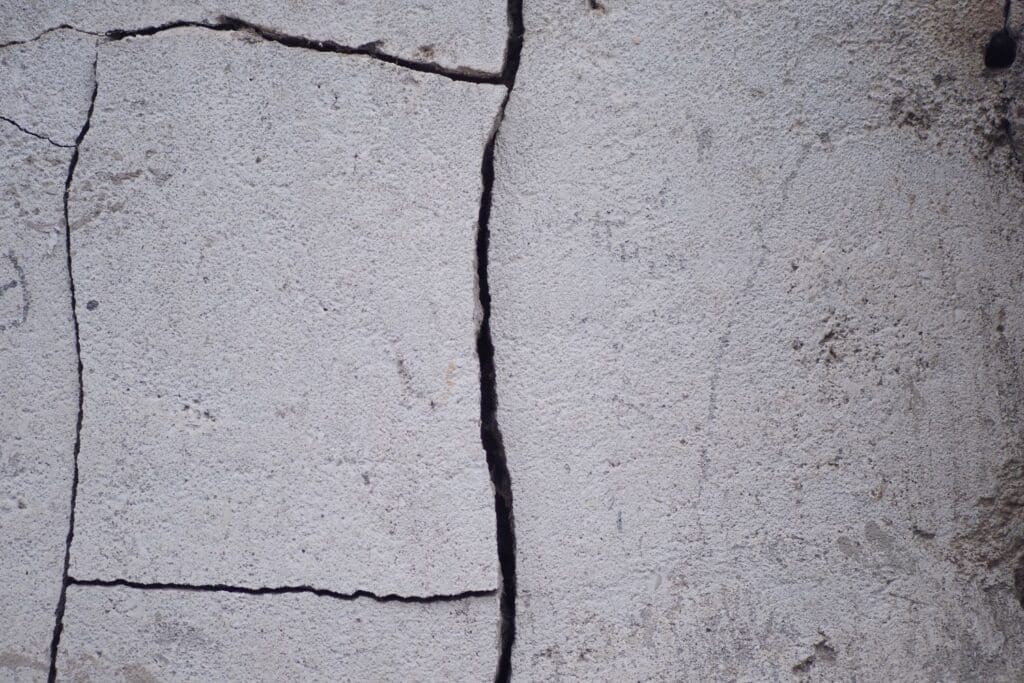
Most homeowners know to worry about a roof that leaks or a foundation crack they can see from across the yard. But structural damage does not always announce itself that clearly. Some of the most serious warning signs are subtle, easy to rationalize away, or simply mistaken for normal wear and tear.
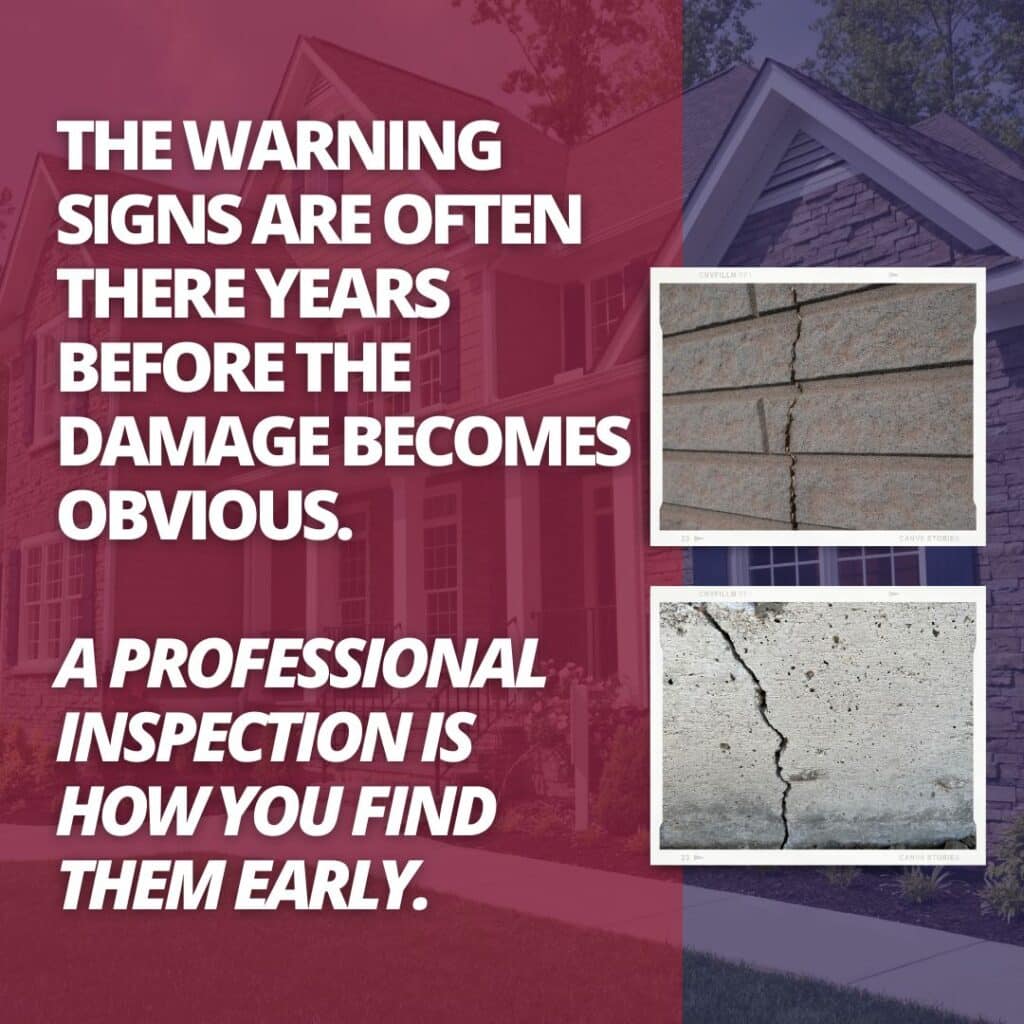
In the Gulf Coast and Southeast, where homes regularly face hurricane-force winds, heavy rain, and the long-term effects of heat and humidity, structural issues can develop faster than in other parts of the country. By the time damage becomes obvious, it has often been quietly progressing for years.
Here is a closer look at the warning signs that get overlooked most often and what they can actually indicate about a home’s structural health.
What Does Structural Damage Actually Mean?
Structural damage refers to harm to the load-bearing elements of a home. The foundation, framing, walls, roof system, and the connections between them. These are the components that keep a home standing, distribute its weight evenly, and resist the forces that try to pull it apart during a storm.
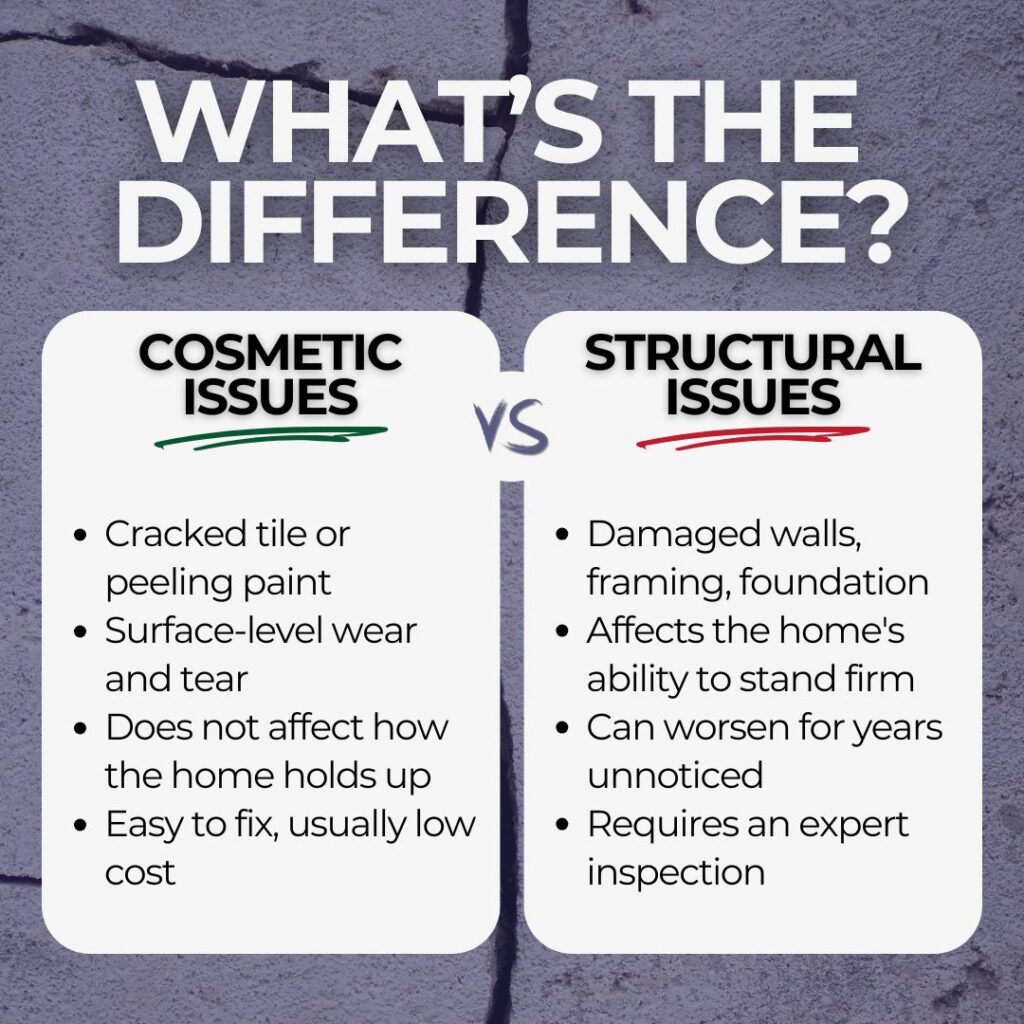
Not all damage is structural. A cracked tile or peeling paint is cosmetic. But when damage affects the parts of a home designed to carry and transfer loads, it becomes both a safety issue and a financial one. Structural repairs are among the most expensive a homeowner can face, which is exactly why catching early warning signs matters.
7 Warning Signs That Are Easy to Miss
Some of these are things homeowners notice and mentally file away as “something to deal with later.”
Others get blamed on age, humidity, or settling.
What to Watch For and Why it Matters
1. Doors and windows that stick or no longer close properly: When a home’s frame shifts, even slightly, door and window openings can warp out of shape. People often assume the wood has swelled from humidity, which does happen across Alabama, Mississippi, Louisiana, and Florida. But if the problem is new, worsening, or affecting multiple openings at once, it warrants a closer look.
2. Diagonal cracks at the corners of door and window frames: Small horizontal or vertical drywall cracks are usually cosmetic. Diagonal cracks radiating from the corners of openings are a different story. These often indicate that the surrounding framing is under stress or that the foundation below has shifted unevenly.
3. Floors that slope, bounce, or feel soft underfoot: A floor that noticeably slopes toward one side of a room may indicate foundation settlement or damaged floor joists. Bounciness or soft spots, especially in bathrooms or kitchens, can point to water-damaged subfloor or deteriorating support below. In humid coastal climates, wood rot in floor framing is more common than many homeowners realize.
4. Gaps between walls and ceilings or floors: Separation where walls meet the ceiling or floor suggests that components of the home are moving independently of each other. This kind of movement indicates the structure is not tied together properly, which is precisely what the FORTIFIED program addresses through continuous load path connections from roof to foundation.
5. Exterior walls that bulge or bow: A wall that bows outward, even subtly, is under lateral pressure it was not designed to handle. This can result from water damage, failed wall ties, or structural loading that has shifted over time. High-wind events can accelerate or reveal this kind of pre-existing weakness.
6. Chimney separation or leaning: A chimney that is visibly separating from the house, or that leans even slightly, is a serious warning sign. Chimneys are heavy and, when inadequately anchored, can pull away from the home’s framing. FORTIFIED Gold standards specifically address chimney anchorage requirements because of how frequently this becomes a failure point during high-wind events.
7. Roof sagging or an uneven ridgeline: A roofline should appear straight and even from the street. Visible sagging, dipping, or waviness along the ridge or between rafters suggests the roof structure is under stress, potentially from damaged rafters, water damage in the attic, or insufficient support for the roof’s load.
How Does Storm Damage Become a Structural Issue?
Homes across Knockout’s service states face a wide range of severe weather: Gulf Coast hurricanes, tornado corridors, ice storms, and high-wind events that do not always make the news. Structural damage does not require a direct hit.
| Weather Threat | Common Structural Impact |
| Hurricane-force winds | Roof uplift, wall racking, chimney failure |
| Heavy rain and flooding | Foundation shifting, floor joist rot, subfloor damage |
| Repeated near-miss storms | Cumulative weakening of connections and framing |
| Ice and freeze-thaw cycles | Foundation cracking, moisture intrusion |
Wind uplift, water intrusion, and the repeated stress of near-miss storms can all weaken a home’s structural components over time without producing the dramatic visible damage that triggers an insurance claim. A professional inspection after any significant storm is worth scheduling, even when the home appears fine from the outside.
This cumulative weakening is also why the FORTIFIED Home program exists. FORTIFIED construction standards require reinforced roof systems, protected openings, and continuous load path connections that tie the entire structure together from foundation to roof.
A home built or retrofitted to FORTIFIED standards is not just more likely to survive a major storm; it is more likely to maintain its structural integrity across the repeated weather events that define life along the Gulf Coast.
Structural Damage When Buying or Selling
For buyers, structural warning signs are among the most critical reasons to schedule a thorough home inspection before closing. Cosmetic issues can be negotiated. Structural issues need to be fully understood before anyone signs.
For sellers, a pre-listing inspection is one of the best ways to identify and address structural concerns before they show up as surprises on a buyer’s report. Knowing what you are working with ahead of time gives you options and negotiating room.
Homes with an active FORTIFIED designation also carry additional value in storm-prone markets. A documented FORTIFIED certificate communicates something specific to buyers about how the home is likely to perform under pressure.
Other Questions Homeowners Ask
How is structural damage different from foundation damage?
Foundation damage is a type of structural damage and often the root cause of warning signs throughout the rest of the home. Settlement and shifting in the foundation translate into movement in the structure above it.
Can a home pass a standard inspection and still have structural issues?
A thorough home inspection will flag visible warning signs, but some concerns require more targeted evaluation. A structural inspection goes deeper and is worth considering when warning signs are present or when a property has a known history of storm damage.
What makes FORTIFIED homes more structurally resilient?
FORTIFIED standards require a sealed roof deck, reinforced roof-to-wall connections, protected openings, and at the Gold level, a continuous engineered load path from roof to foundation. These requirements directly address the points where homes most commonly fail under high-wind conditions.
How often should a home be inspected for structural issues?
After any major storm event, after purchasing a home, and any time warning signs appear are the three situations that most warrant a professional evaluation. Homes in high-risk weather zones benefit from regular inspections for the same reason FORTIFIED certificates require renewal every five years.
When to Call a Professional
Any single warning sign on this list is worth noting. Multiple signs appearing together, or signs that have worsened quickly, should prompt a call sooner rather than later. The same applies after a named storm, a tornado warning nearby, or any event that brings sustained high winds to your area.
Schedule a professional inspection if:
- You have noticed one or more warning signs described above
- Your home recently experienced a significant weather event
- You are buying or selling a property in a storm-prone area
- Your FORTIFIED certificate is approaching its five-year renewal
- You want to understand how your home would hold up in the next major storm
Conclusion
Structural damage rarely announces itself all at once. It tends to show up as a sticking door here, a diagonal crack there, a floor that feels slightly off. Each sign alone might seem minor. Together, or over time, they can point to something that deserves serious attention.
If you are seeing warning signs in your home or have recently been through a significant storm, a professional inspection is the right next step. Get in touch with the Knockout Inspections team today.